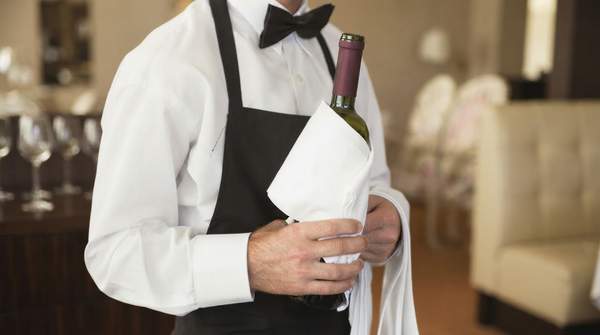
Last year, a three-Michelin-starred restaurant in Paris served a 1982 Château Lafite Rothschild alongside a dish featuring fermented black garlic and sea urchin, a pairing once considered sacrilege by traditionalists, according to Sommelier's Journal. This audacious combination, a direct challenge to classic wine dogma, captivated a new generation of diners hungry for the unexpected. The demand for exceptional and unique beverage pairings in fine dining is soaring, but the traditional frameworks for achieving these pairings are proving increasingly inadequate for modern, experimental cuisine. Based on the evolving palates of diners and the innovative spirit of chefs and sommeliers, the future of Michelin-level beverage pairing appears likely to be defined by bold experimentation and a greater emphasis on individual preference over established dogma.
A 2023 survey revealed 65% of Michelin-starred diners expressed interest in 'experiential pairings' over traditional wine-and-food matches, as reported by Fine Dining Trends Report. The global market for rare spirits, including whisky, rum, and cognac, grew by 15% in 2022, surpassing fine wine growth for the first time, according to Luxury Beverage Market Analysis, mirroring a significant market evolution and the shift in diner preference. The shift in diner preference and the growth in the rare spirits market signal a profound redefinition of gastronomic pleasure, moving beyond mere consumption to embrace unique narratives and sensory adventure.
Beyond the Bottle: Defining Rare Pairings and Michelin Standards
Michelin-starred cuisine, by definition, embodies exceptional cooking: innovative techniques, unparalleled ingredients, and a distinct personality, according to Michelin Guide Criteria. This artistry demands an equally thoughtful approach to accompanying beverages. The term 'rare' in spirits extends beyond mere age; it encompasses limited production, unique aging processes, or profound historical significance, as detailed in Spirit Connoisseur's Handbook.
The extreme value of rare wines is undeniable; a bottle of 1945 Romanée-Conti sold for $558,000 in 2018, according to Sotheby's Auction Data. Yet, this monetary value now converges with a radical departure from traditional pairing wisdom, which once dictated the simplistic 'red wine with red meat, white wine with fish,' a principle now frequently challenged by modern gastronomy, as noted in a 1990 edition of the Culinary Institute Textbook, a principle now frequently challenged by modern gastronomy. The true significance of rarity in contemporary pairing lies not just in prestige, but in its capacity to unlock unique flavor profiles, pushing the very boundaries of culinary expectation and demanding a more nuanced understanding than mere price tag suggests.